
Best Aerobic Exercises for Beginners at Home
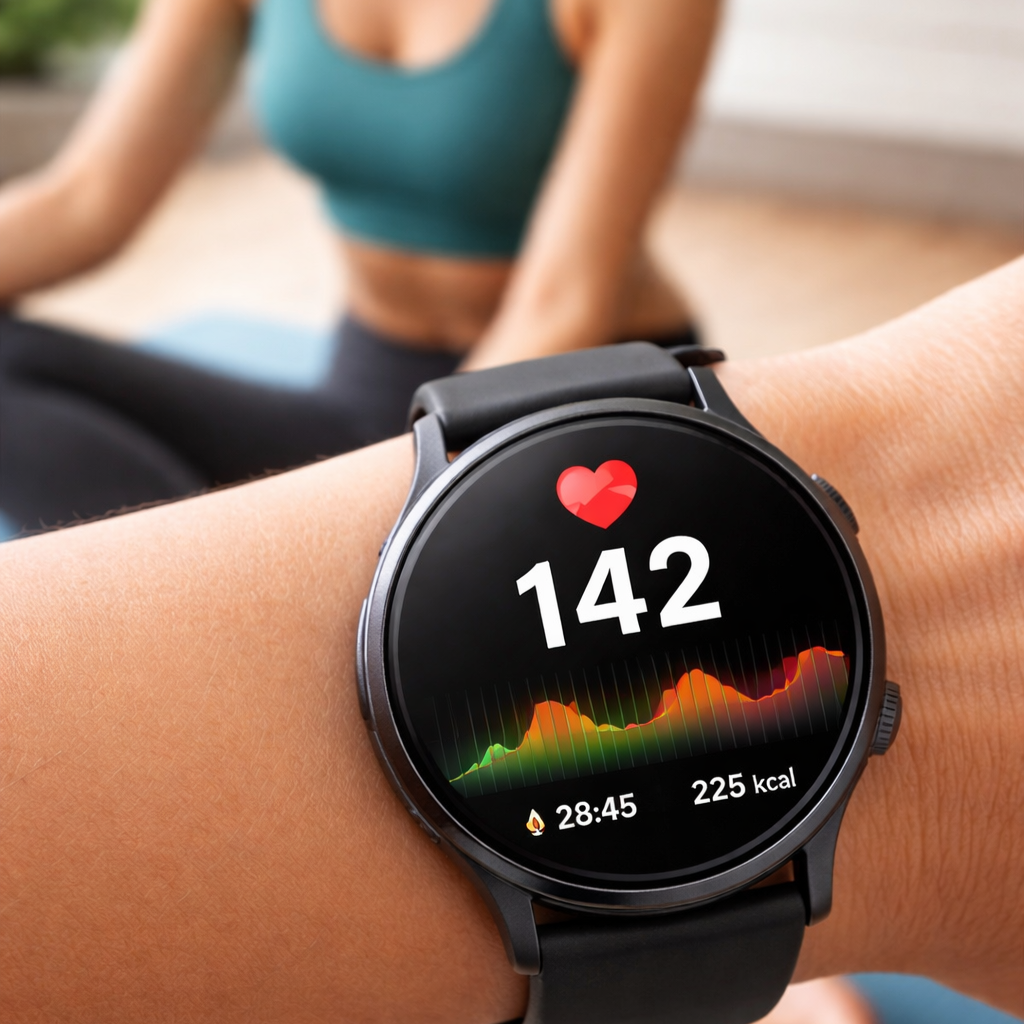
Everything you need to start, sustain, and love your cardio journey — no gym required.
📅 April 2026
⏱ 18-minute read
🏃 12 topics covered
✅ Beginner-friendly
[Image: stretching in a sunny living room]
In This Guide
- What Is Aerobic Fitness?
- Types of Aerobic Activities
- Intensity Levels & Heart Rate
- How to Get Started
- Sample Weekly Workout Plans
- Equipment & Gear
- Nutrition & Hydration
- Tracking Progress
- Common Mistakes
- Special Populations
- Mental Health & Motivation
- FAQs
Whether you are just starting your fitness journey or simply looking to move more without stepping foot in a gym, learning the best aerobic exercises for beginners at home is the smartest investment you can make in your long-term health. This comprehensive guide is designed to walk you through everything you need to know about aerobic exercises for beginners at home — from the science behind how your body uses oxygen, all the way to building weekly workout plans, fuelling your sessions properly, and staying motivated through the inevitable hard days.
Because aerobic exercise sits at the foundation of good cardiovascular health, sustainable weight management, and lasting mental well-being, it is absolutely worth investing your time in understanding it deeply. Furthermore, the encouraging truth is that you need neither expensive equipment nor a gym membership to get started. All you truly need is a little space, the right information, and a genuine willingness to begin.
What Is Aerobic Fitness? (And Why It Matters for Beginners)
Aerobic fitness refers to the ability of your heart, lungs, and muscles to sustain prolonged physical activity by using oxygen as the primary fuel source. The word “aerobic” literally translates to “with oxygen,” and consequently, any rhythmic activity that elevates your heart rate and keeps it elevated for an extended period — typically 20 minutes or more — qualifies as aerobic exercise for beginners at home.
In contrast, anaerobic exercise — such as heavy weightlifting, sprinting, or explosive plyometrics — draws on energy stored directly within the muscles rather than relying on a continuous oxygen supply. While both forms of exercise are genuinely valuable, they serve different physiological purposes. Therefore, understanding this distinction is the first and most important step in designing a training programme that works for you. According to the American Heart Association, adults should aim for at least 150 minutes of moderate-intensity aerobic activity each week, underscoring just how central this form of exercise is to lifelong health.
How the Aerobic Energy System Works
When you engage in aerobic activity, your body initiates a remarkably efficient chain of events. First, your breathing rate increases so that greater quantities of oxygen enter the lungs. That oxygen then travels through the bloodstream to the working muscles, where it combines with glucose or stored body fat to produce ATP — the chemical energy currency that powers every muscular contraction.
Key Benefits: Why Aerobic Fitness Matters
- Heart Health: Regular aerobic exercise strengthens the cardiac muscle.
- Weight Management: Because aerobic exercises for beginners at home burn calories efficiently.
- Mood & Mental Health: Aerobic activity stimulates the release of endorphins.
- Longevity: Research published in The Lancet shows consistent benefits.
- Sleep Quality: Consistent aerobic exercise is strongly associated with improved sleep.
Best Types of Aerobic Exercises for Beginners at Home (Low to High Impact)
One of the most appealing qualities of aerobic exercises for beginners at home is their extraordinary variety. Whether you prefer something gentle and low-impact, high-energy and intense, or somewhere pleasantly in between, there is an aerobic activity that fits your lifestyle, fitness level, physical limitations, and personal taste.
Low-Impact Activities (Ideal for Starting Out)
- Walking: Arguably the most accessible form of aerobic exercise for beginners at home.
- Cycling: Whether outdoors or on a stationary cycle.
- Swimming: Water provides natural resistance.
- Elliptical Training: Mimics running without the impact.
High-Impact Activities
- Running & Jogging: Highly adaptable.
- Jump Rope: Surprisingly one of the most calorie-efficient aerobic exercises for beginners at home.
- Aerobics Classes: Streamed via platforms such as YouTube.
Dance-Based Activities
- Zumba: A Latin-inspired dance fitness programme.
- Step Aerobics: Using an elevated platform.
Intensity Levels & Heart Rate for Home Cardio
Understanding exercise intensity is one of the most valuable skills you can develop when performing aerobic exercises for beginners at home. Knowing precisely how hard you are working — and whether that aligns with your specific goals — enables you to train smarter, sidestep overtraining, and maximise the results of every session you complete.
Heart Rate Zones Explained
Your heart rate is the most reliable real-time indicator of exercise intensity. For additional guidance, the NHS Physical Activity Guidelines offer clear, evidence-based recommendations.
Quick formula: Maximum Heart Rate = 220 − your age.
RPE: A Simpler Alternative to Heart Rate
The Rate of Perceived Exertion (RPE) scale is perfectly valid.
Steady-State Cardio vs. HIIT
Steady-state cardio is superb for building your aerobic base. However, because HIIT is substantially more demanding, it is generally not recommended as a starting point for aerobic exercises for beginners at home.
How to Get Started with Aerobic Exercises for Beginners at Home
Starting an aerobic fitness routine is, without qualification, one of the best decisions you can make. Beginning too aggressively almost invariably leads to injury, whereas starting gradually lays a foundation for decades.
How Many Days Per Week and How Long Per Session
As a beginner, aim to perform aerobic exercises for beginners at home 3 days per week, starting with 20–30 minutes per session.
The 10% Rule: Never increase your total weekly training volume by more than 10%.
Warm-Up and Cool-Down Routines
A structured warm-up is not optional.
Building Consistency Before Intensity
“Don’t be a hero on day one. Be a consistent athlete over the next 90 days.”
Sample Weekly Workout Plans (Using Aerobic Exercises for Beginners at Home)
To help you translate knowledge into practical action, here are structured weekly plans. Each plan can be executed as a set of aerobic exercises for beginners at home, requires no specialised equipment, and can be readily adapted.
Beginner Plan — Weeks 1 to 6
| Day | Activity | Duration | Intensity |
|---|---|---|---|
| Monday | Brisk walk | 20 min | RPE 4–5 |
| Wednesday | Home aerobics (YouTube) | 20 min | RPE 4–5 |
| Friday | Brisk walk | 25 min | RPE 4–5 |
Why Rest Days Are Non-Negotiable
Rest days are when physiological adaptation actively occurs.
Equipment & Gear for Home Cardio Success
One of the most persistent misconceptions is that effective exercise requires significant financial investment. In reality, the best aerobic exercises for beginners at home can be performed with very little.
What You Need (and What You Don’t)
- Absolutely essential: A quality pair of training shoes.
- Genuinely helpful: A yoga mat, jump rope, resistance bands.
- Not necessary: Expensive gym memberships.
Choosing the Right Footwear
Footwear is the one area where beginners should not economise.
Apps and Wearables Worth Considering
- Strava (Free) — Route & Pace Tracking
- Nike Run Club (Free) — Guided Runs
- MyFitnessPal (Free) — Nutrition & Exercise Log
Read more on how to deal with back pain here: Back pain stretches
Nutrition & Hydration for Beginners
Exercise and nutrition are two sides of the same coin. When you commit to aerobic exercises for beginners at home, good nutritional habits amplify every benefit.
Fuelling Before and After Aerobic Workouts
- Pre-Workout (60–90 mins before): Banana with nut butter.
- Post-Workout (within 30–60 mins): Greek yoghurt with berries.
Hydration Guidelines
Dehydration impairs performance. The NHS Eatwell Guide offers excellent foundational guidance.
Common Nutritional Mistakes to Avoid
- Under-eating
- Over-rewarding after exercise
- Neglecting protein
Tracking Your Progress with Home Aerobics
One of the most overlooked aspects of pursuing aerobic exercises for beginners at home is knowing how to measure whether what you are doing is actually working.
Key Metrics to Track
- Resting Heart Rate (RHR): A steadily declining RHR is a reliable indicator.
- VO2 Max: Many fitness wearables estimate this automatically.
- Distance and Pace
- Perceived Exertion
How to Know You Are Genuinely Improving
Performing an identical workout at a noticeably lower perceived effort.
Common Mistakes & How to Avoid Them (Home Cardio Edition)
Even enthusiastic beginners fall into predictable traps when starting aerobic exercises for beginners at home.
- Skipping the Warm-Up: Solution: Always dedicate 5–10 minutes.
- Doing Too Much Too Soon: Solution: Follow the 10% Rule rigorously.
- Neglecting Strength Training: Solution: Integrate two full-body sessions per week.
- Ignoring Recovery: Solution: Prioritize sleep and hydration.
Special Populations: Who Can Do Aerobic Exercises at Home?
Aerobic fitness is genuinely for everyone. Performing aerobic exercises for beginners at home can be adapted for seniors, pregnant women, and those with joint issues.
- Seniors: Low-impact activities like walking and swimming. The WHO Physical Activity Guidelines recommend 150 minutes per week.
- Pregnancy: Walking and stationary cycling are safe (consult your doctor).
- Joint Issues/Obesity: Water-based exercise is particularly valuable.
- Post-Injury: Return gradually, ideally with a physiotherapist.
Mental Health & Motivation for the Home Exerciser
Physical fitness and mental health are inextricably linked. The psychological benefits of regular aerobic exercises for beginners at home are at least as compelling as the physical ones.
The Runner’s High and Mood Benefits
The Mental Health Foundation provides an excellent overview of these benefits.
Staying Motivated Long-Term
- Schedule workouts as fixed calendar appointments.
- Prepare the night before.
- Set process goals (e.g., “I will exercise three times this week”).
- Give yourself permission to do less on hard days (a 15-minute walk beats zero).
Finding a Workout Community
Online communities on platforms such as Strava and Reddit (r/fitness) can provide meaningful support.
Frequently Asked Questions.
How long before I see results from aerobic exercise?
Most people notice improved energy within 1–2 weeks of consistent aerobic exercises for beginners at home.
Is walking enough as an aerobic exercise?
Absolutely — brisk walking is formally classified as moderate-intensity aerobic activity.
Can I do aerobic exercise every day?
Low-intensity activity can be done daily, but beginners should start with 3–5 sessions per week.
Should I do cardio before or after weights?
For most beginners, the order matters less than simply completing both.
What is the single best aerobic exercise for a complete beginner at home?
Brisk walking is the most universally recommended starting point for aerobic exercises for beginners at home.
You Now Have Everything You Need to Begin
Starting your fitness journey with aerobic exercises for beginners at home is one of the most impactful decisions you can make for your health, happiness, and longevity. As we have explored throughout this guide, the best aerobic exercises for beginners at home require no gym, no expensive equipment, and no large blocks of free time.
What they do require is consistency, a willingness to start modestly, and the patience to allow biological adaptation to unfold at its natural pace.
Whether you begin with a daily 20-minute walk, a YouTube aerobics class, or a jump rope in your living room — every session counts. Every week you show up adds another layer of cardiovascular strength.
Start where you are. Use what you have. Keep going.