How to Look Younger: Simple Daily Habits for Healthy Aging
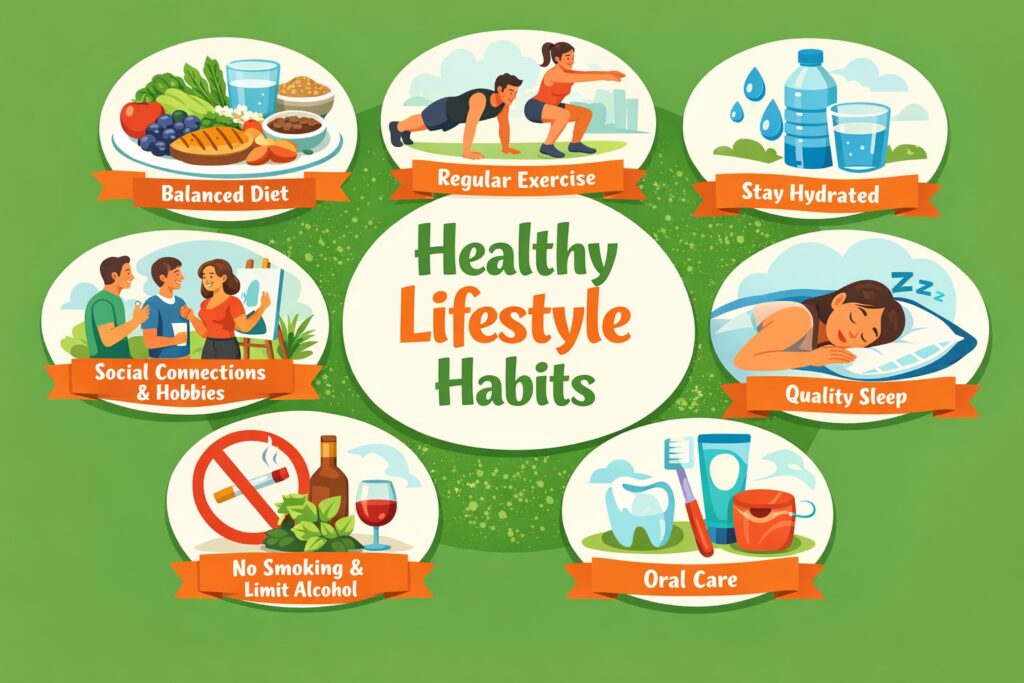
How to look younger is a question many people ask as they begin to notice subtle changes in their skin and energy levels. Although aging is a natural process, maintaining a vibrant appearance is strongly influenced by everyday lifestyle choices. Consistent habits such as protecting your skin from the sun, staying hydrated, eating nutrient-dense foods, and getting quality sleep can make a noticeable difference over time. Rather than relying on drastic solutions, a balanced routine helps support healthy skin, improves resilience, and preserves a natural glow.
In addition, developing healthy daily practices not only improves appearance but also strengthens overall wellness. The following habits work together to support skin repair, protect collagen, and promote long-term vitality.
Sun Protection: A Core Habit for Maintaining Youthful Skin
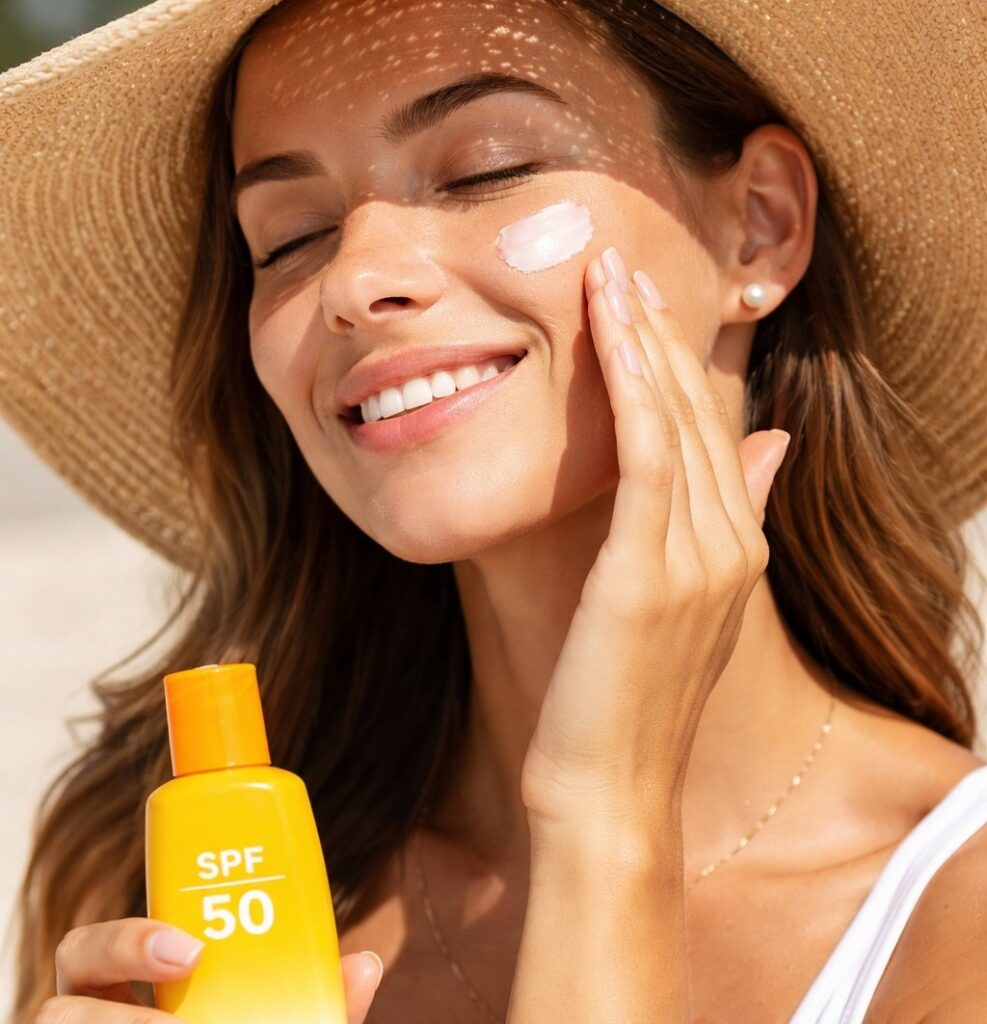
One of the most important habits for anyone interested in maintaining youthful skin is protecting it from ultraviolet radiation. Continuous sun exposure gradually damages collagen and elastin fibers, which eventually causes wrinkles, fine lines, and uneven pigmentation.
Consequently, daily sun protection helps preserve firmness while reducing long-term skin damage. Dermatology organizations such as the American Academy of Dermatology recommend using sunscreen every day, regardless of weather conditions.
Daily Sun Care Checklist
• Apply sunscreen with SPF 30 or higher each morning.
• Reapply sunscreen every two to three hours when outdoors.
• Wear hats and UV-blocking sunglasses when spending long hours in the sun.
• Seek shade during peak sunlight hours between 10 AM and 4 PM.
• Maintain hydration to support skin elasticity.
For additional guidance on maintaining healthy habits that protect your body, explore our Healthy Foods & Nutrition category for evidence-based advice on nourishing your body.
For scientific information about sunscreen safety, visit the American Academy of Dermatology.
Quality Sleep and Its Role in Looking Younger
Adequate rest plays a central role in skin repair and cellular regeneration. During deep sleep cycles, the body releases growth hormones that stimulate collagen production and increase blood flow to skin tissues.
Because of this biological repair process, individuals who consistently get sufficient rest often notice improved skin texture and reduced dullness. Lower stress hormone levels also reduce inflammation that contributes to premature aging.
Sleep Habits That Support Skin Recovery
• Aim for 7–9 hours of sleep each night.
• Maintain a consistent bedtime schedule.
• Reduce caffeine consumption in the evening.
• Keep the sleeping environment cool, quiet, and dark.
• Combine proper sleep with hydration and balanced nutrition.
You can also read our articles about healthy daily routines here.
Hydration and Skin Elasticity
Another key factor connected to maintaining youthful skin is proper hydration. Water helps transport nutrients to skin cells while also removing toxins that affect complexion clarity.
As hydration levels remain stable, skin tends to appear smoother, fuller, and more resilient. Drinking enough fluids also supports circulation and cellular repair, which contributes to overall vitality.
Hydration Checklist
• Drink approximately 8–10 glasses of water daily.
• Include water-rich foods such as cucumbers, oranges, and melons.
• Limit excessive caffeine and alcohol intake.
• Carry a reusable water bottle to encourage regular intake.
• Combine hydration with antioxidant-rich foods.
Scientific research from the World Health Organization highlights the importance of hydration for overall health and cellular function.
Nutrition That Supports Youthful Appearance
Food choices directly influence the body’s ability to repair and regenerate tissues. A balanced diet rich in vitamins, minerals, antioxidants, and healthy fats supports collagen production and reduces oxidative stress.
Colorful fruits, leafy vegetables, whole grains, lean proteins, and omega-3 fatty acids contribute to stronger skin structure and improved energy levels. When these foods become part of daily meals, the body receives the nutrients needed to maintain vitality and slow visible aging.
Foods That Support Skin Health
• Berries rich in antioxidants
• Leafy greens such as spinach and kale
• Healthy fats from nuts, seeds, and avocados
• Lean proteins that support tissue repair
• Whole grains that stabilize energy levels
For further reading on nutrition and health, see guidance from the Harvard T.H. Chan School of Public Health.
Consistent Skincare Routine for Long-Term Results
A structured skincare routine reinforces the effects of healthy lifestyle habits. Regular cleansing removes impurities, moisturizing maintains hydration, and targeted treatments support skin renewal.
Over time, consistent care helps strengthen the skin barrier while reducing environmental damage. When skincare practices are combined with proper nutrition, hydration, and sleep, they form a comprehensive approach to maintaining healthy aging.
Basic Skincare Routine
• Cleanse the skin twice daily.
• Apply moisturizer to maintain hydration.
• Use antioxidant serums such as vitamin C.
• Protect the skin daily with sunscreen.
• Avoid harsh products that damage the skin barrier.
Simple Lifestyle Choices That Support a Younger Look
Ultimately, achieving a youthful appearance does not depend on a single product or treatment. Instead, sustainable daily habits work together to protect skin health and maintain natural vitality. Consistent sun protection, restorative sleep, balanced nutrition, hydration, and a reliable skincare routine form the foundation of long-term wellness.
By adopting these practices, anyone can gradually improve their overall appearance while supporting physical health and confidence throughout the aging process.