Cholera: Causes, Symptoms, Treatment, and Prevention Explained
What Is Cholera? A Direct Definition
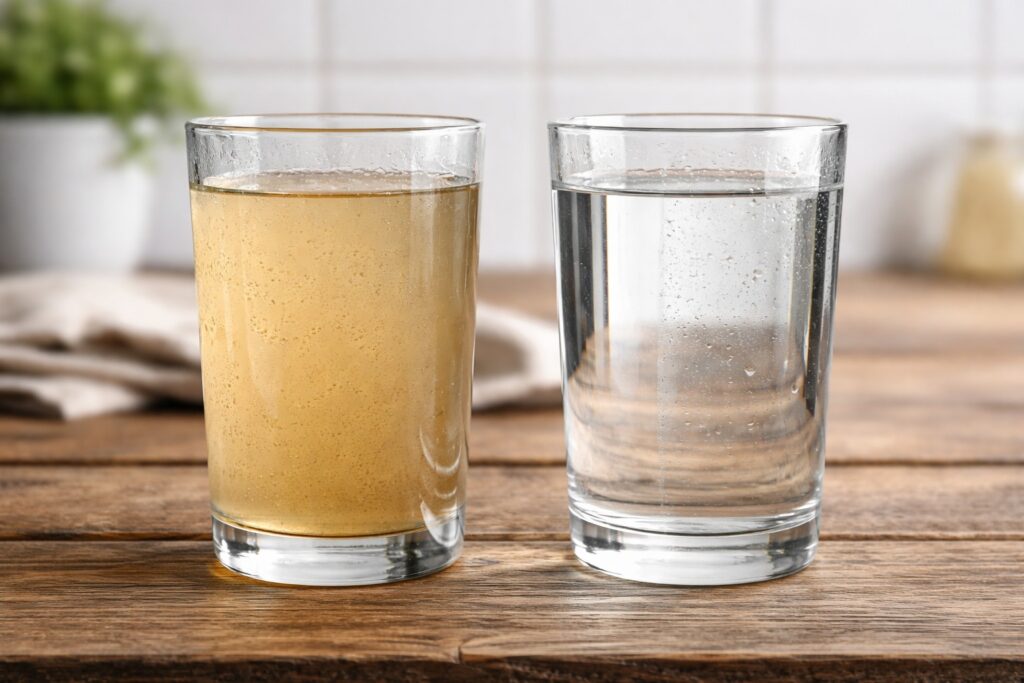
Cholera is an acute diarrheal illness caused by ingesting contaminated water or food. In simple terms, this bacterial infection can kill within hours if left untreated. Cholera is not a relic of the past; instead, it remains a serious global health threat. Consequently, understanding its mechanisms is essential for anyone traveling to high-risk areas or living in regions with poor sanitation.
How the Bacterium Spreads: Cause and Transmission.
The culprit behind cholera is Vibrio cholerae, a comma-shaped bacterium. For example, it spreads primarily through the fecal-oral route. Therefore, real-life situations like drinking unsafe water, eating street food washed with contaminated water, or living in overcrowded, flood-prone areas dramatically increase infection risk. Furthermore, poor sanitation and a lack of clean toilets accelerate transmission. As a result, an infected person’s stool can contaminate the local water supply, subsequently infecting an entire community.
Recognizing Early and Severe Symptoms
Symptoms of cholera can appear within 12 hours to 5 days after exposure. Initially, the patient may experience mild diarrhea. However, the hallmark of severe cholera is profuse, painless, watery diarrhea—often described as “rice-water stools” because of its pale, murky appearance. Meanwhile, vomiting and intense thirst often accompany the diarrhea. Consequently, rapid fluid loss leads to dehydration, muscle cramps due to electrolyte imbalance, and severe weakness. In addition, children may experience sunken eyes, cold skin, and lethargy. Therefore, recognizing these signs early can mean the difference between life and death.
Severity and Complications: Why Cholera Is Dangerous
If untreated, severe cholera leads to hypovolemic shock—a condition where low blood volume causes organ failure. Specifically, the body can lose more than a liter of fluid per hour. As a result, blood pressure drops dramatically, followed by kidney failure and metabolic acidosis. Finally, without intervention, death can occur in as little as 2 to 3 hours after the first severe symptoms. Nevertheless, this outcome is entirely preventable with prompt care.
Diagnosis: How Health Professionals Confirm Cholera
In outbreak settings, diagnosis is often clinical—meaning doctors rely on the classic rice-water stools and severe dehydration. However, for laboratory confirmation, a stool sample is tested for Vibrio cholerae using culture or rapid dipstick tests. Meanwhile, in non-outbreak regions, differential diagnosis rules out other causes of acute diarrhea. Consequently, while you don’t need technical details, trust that medical teams can confirm cholera quickly to save lives.
Treatment: What to Do Immediately
When dealing with suspected cholera, speed matters more than anything else. The condition can escalate within hours due to rapid fluid loss, so the priority is to replace lost fluids immediately—even before reaching a hospital.
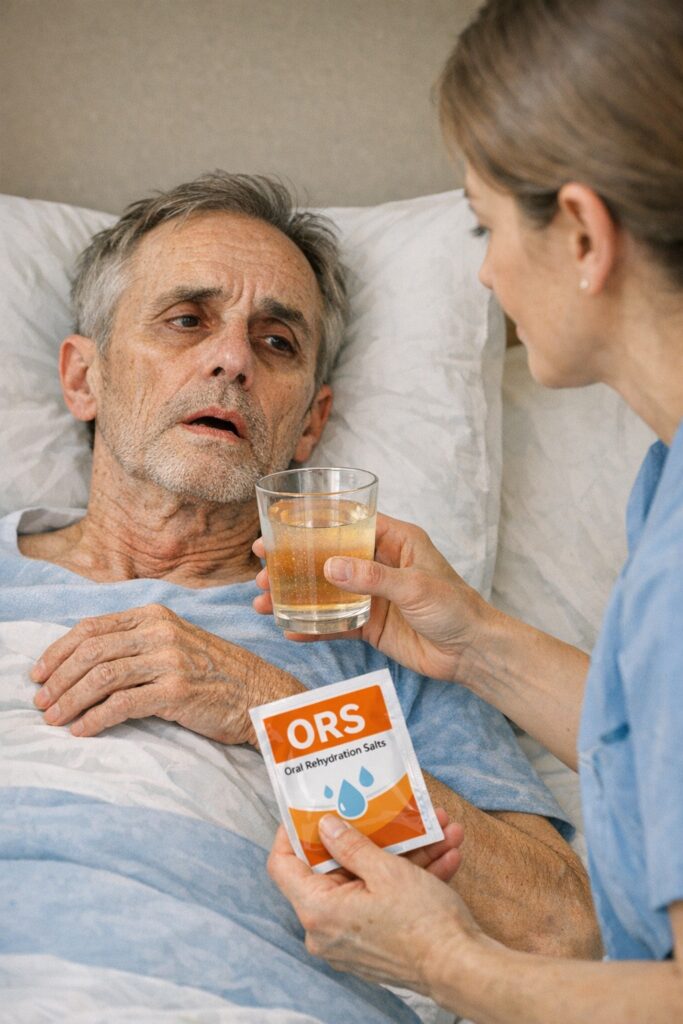
Start with oral rehydration solution (ORS). This is a simple mixture of clean water, sugar, and salts designed to restore fluids and essential electrolytes lost through diarrhea and vomiting. If packaged ORS is not available, a homemade solution can be prepared using safe water, sugar, and a small amount of salt. The key is to give small, frequent sips continuously, especially if the patient is vomiting. According to the World Health Organization, early and consistent use of ORS can reduce mortality dramatically. You can reference their official guidance here:
If symptoms progress to severe dehydration—signs include extreme weakness, sunken eyes, little or no urination, and confusion—intravenous fluids become necessary. In clinical settings, fluids such as Ringer’s Lactate are administered rapidly to stabilize the patient. This step is critical and should only be handled in a healthcare facility, so urgent transport is essential.
Antibiotics may also be used, but they are not the first line of treatment. Medications like doxycycline or azithromycin are typically reserved for more severe cases to reduce the duration and intensity of symptoms. Their use should always be guided by a qualified health professional to avoid misuse or resistance.
The most important takeaway is this: do not wait for confirmation or advanced care before acting. Begin rehydration immediately at home and continue during transport to a clinic or hospital. Even simple early intervention can make the difference between recovery and life-threatening complications.
contamination of water sources. In communities, improving drainage systems and avoiding open defecation are key measures that reduce outbreaks.
Vaccination adds an extra layer of protection, particularly in high-risk areas or during outbreaks. Oral vaccines such as Shanchol and Euvichol-Plus provide temporary immunity and are commonly used in public health campaigns. While vaccines are effective, they do not replace the need for clean water and proper hygiene.
In practice, prevention is about consistency. Safe water, clean hands, proper food handling, and improved sanitation—when applied together—substantially reduce the risk of infection and help control the spread at both household and community levels.
Read about the benefits of Neem Tree. (Mwarubaini)
Prevention: Practical Steps That Save Lives
Preventing cholera relies on breaking the chain of contamination between water, food, and people. The most effective approach is consistent hygiene and safe water practices, especially in areas where sanitation systems are limited.
Start with drinking water safety. Always use clean, treated water for drinking, cooking, and brushing teeth. Boiling water for at least one minute is one of the most reliable methods. If boiling is not possible, water can be treated using chlorine tablets or filtered through clean cloth as a temporary measure. The World Health Organization provides clear household water treatment recommendations here:
Hand hygiene is equally critical. Washing hands with soap and clean water—especially after using the toilet, cleaning a child, or before preparing and eating food—significantly reduces the risk of infection. This simple habit interrupts the fecal-oral transmission route, which is the primary way the disease spreads.
Food safety should not be overlooked. Eat food that is freshly cooked and still hot. Avoid raw or undercooked seafood, unwashed fruits and vegetables, and food from unhygienic environments. When possible, peel fruits yourself and ensure utensils and surfaces are clean.
Sanitation plays a central role in long-term prevention. Proper use of latrines and safe disposal of human waste prevent contamination of water sources. In communities, improving drainage systems and avoiding open defecation are key measures that reduce outbreaks.
Vaccination adds an extra layer of protection, particularly in high-risk areas or during outbreaks. Oral vaccines such as Shanchol and Euvichol-Plus provide temporary immunity and are commonly used in public health campaigns. While vaccines are effective, they do not replace the need for clean water and proper hygiene.
In practice, prevention is about consistency. Safe water, clean hands, proper food handling, and improved sanitation—when applied together—substantially reduce the risk of infection and help control the spread at both household and community levels.
Outbreaks and Risk Areas Globally
Cholera is endemic in nearly 50 countries, particularly sub-Saharan Africa, South Asia (India, Bangladesh, Pakistan), and parts of the Middle East. Meanwhile, risk spikes after floods, earthquakes, or war—any event that disrupts clean water supplies. For instance, Yemen recently suffered the largest cholera outbreak in modern history, with over 2.5 million suspected cases. Therefore, the World Health Organization classifies cholera as a disease of poverty and inequality. Consequently, travelers to these regions must take prevention seriously.
Public Health Response: How Governments Control Outbreaks
When a cholera outbreak is declared, public health teams activate three core strategies. First, they establish water treatment points to chlorinate community supplies. Second, they launch hygiene campaigns, teaching handwashing and safe food storage through loudspeakers, radio, and door-to-door visits. Third, rapid response teams set up oral rehydration corners and treatment centers. Meanwhile, mass vaccination drives target the most vulnerable populations. As a result, mortality in well-managed outbreaks stays below 1%. In addition, long-term solutions involve building sewers, protecting water sources, and promoting open defecation-free communities.
Myths vs. Facts About Cholera
| Myth | Fact |
| Cholera always kills. | False. With ORS, less than 1% of cases die. |
| Only dirty people get cholera. | False. It is about water and sanitation infrastructure—not personal hygiene alone. |
| Cholera spreads through the air. | False. It spreads only via contaminated water or food. |
| Adults are immune. | False. Anyone can get cholera, though children are more severely affected. |
FAQ Section
How fast does cholera kill?
Severe cholera can kill within 2 to 3 hours after the first watery diarrhea if no rehydration is given.
Can cholera go away on its own?
Mild cases may resolve in 3–6 days without treatment. However, severe cholera never goes away on its own and requires immediate medical care.
Is cholera contagious from person to person?
No. Casual contact like hugging or sharing food does not spread cholera. Only ingesting contaminated fecal matter does.
How do you treat cholera at home?
Start ORS immediately (1 liter clean water + 6 teaspoons sugar + half a teaspoon salt). Meanwhile, continue breastfeeding or soft foods. Nevertheless, seek professional medical help urgently.
Conclusion: Prevention and Early Treatment Save Lives
In summary, cholera is a preventable and treatable disease. While it can become life-threatening quickly, oral rehydration salts stop death in nearly all cases. Moreover, clean water, handwashing, and vaccines break the transmission cycle entirely. Therefore, remember two key ideas: cholera does not have to be a death sentence, and early rehydration is the single most powerful action you can take. Share this knowledge—because awareness saves lives.
Disclaimer: This article is for informational purposes only and does not constitute medical advice. Always consult a healthcare provider for personal medical decisions.