
Mwarubaini: The History of Neem Tree.
Introduction
Standing tall across many homesteads in East Africa is a tree revered for its remarkable healing properties. Mwarubaini, a name meaning “tree of forty-two” in Swahili, refers to the neem tree, a plant traditionally believed to cure forty-two different ailments. Native to the Indian subcontinent, this versatile tree has become naturalized across tropical Africa, therefore earning a permanent place in both traditional medicine and modern households.
Origin and Botanical Classification
Scientifically known as Azadirachta indica, the neem tree belongs to the Meliaceae family, commonly called the mahogany family. Its journey from India to Africa occurred centuries ago, consequently spreading across tropical regions where the climate proved ideal for its growth. This adaptability explains why the neem tree thrives in arid and semi-arid areas, requiring minimal rainfall to flourish.
Physical Characteristics
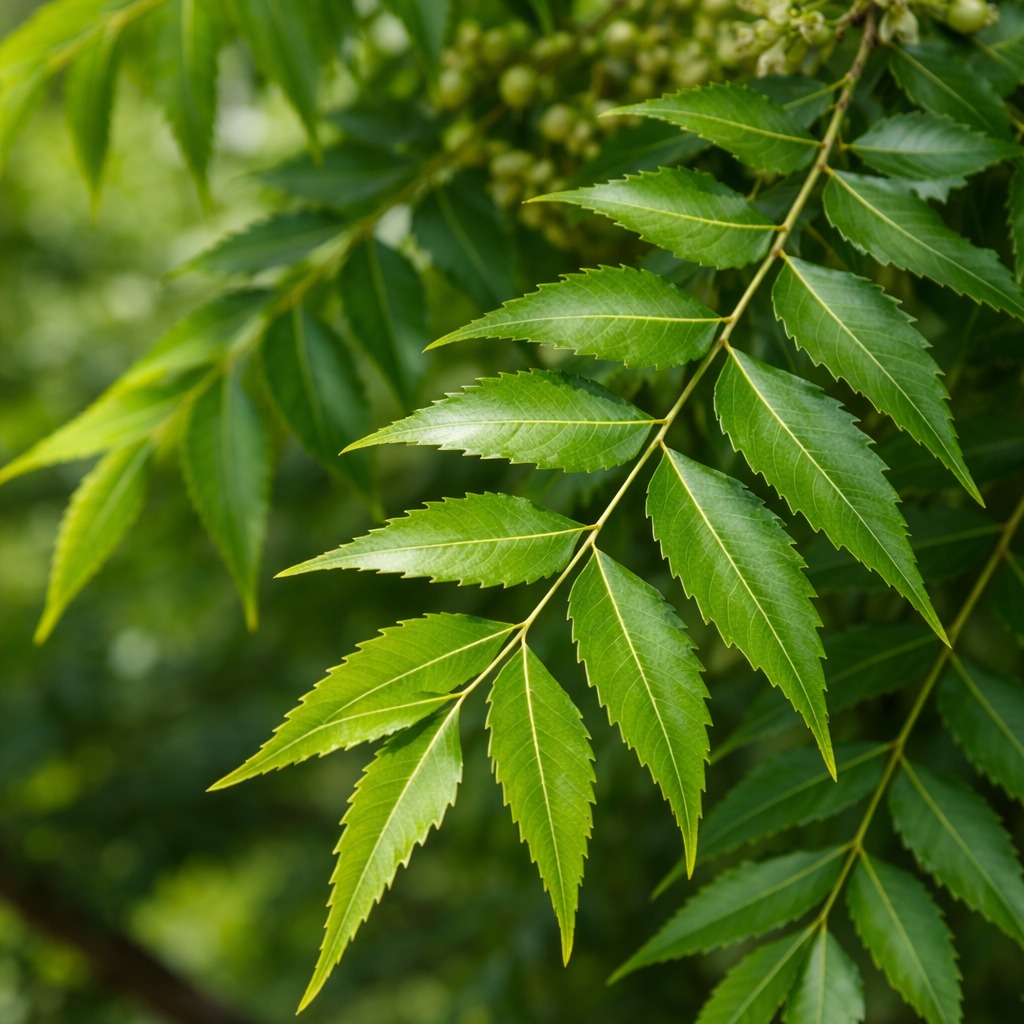
The neem tree typically reaches heights of 15 to 20 meters, although some specimens grow even taller. Its leaves are compound and pinnate, featuring small, serrated leaflets that emit a distinct bitter aroma. The bark appears rough and fissured, meanwhile the flowers are small and white, blooming in clusters during specific seasons. The fruits resemble olive-sized drupes, turning yellow when ripe, and contain a single seed encased in a fibrous pulp.
Traditional Uses Across Generations
Traditional healers have utilized every part of this remarkable plant for centuries. The leaves are commonly boiled to prepare medicinal concoctions for fever and malaria-like symptoms. Furthermore, the bark serves as a treatment for dental issues, whereas the seeds yield potent oil used for skin conditions. In many communities, chewing fresh twigs of the neem tree provides natural oral hygiene, effectively replacing commercial toothpaste. Additionally, the oil acts as a powerful insect repellent, protecting both humans and livestock from pests.
Modern Scientific Perspective
Contemporary research has validated several traditional claims about the neem tree. Scientists have identified active compounds including azadirachtin, nimbin, and nimbidin, which demonstrate antimicrobial and antifungal properties. Studies indicate that these compounds interfere with insect growth and reproduction, thereby confirming its effectiveness as a natural pesticide. Nevertheless, researchers caution that not all traditional uses have been scientifically verified, therefore ongoing studies continue to explore its full potential.
Health Benefits and Common Applications Today
The neem tree now appears in numerous commercial products available worldwide. Natural toothpaste and oral care products incorporate neem for its antibacterial properties. Similarly, skincare creams and soaps utilize neem oil to address acne, eczema, and other dermatological concerns. Herbal teas made from dried leaves are consumed for general wellness, while organic farmers rely on neem-based pesticides as a safe alternative to synthetic chemicals.
Precautions and Safety Considerations
Despite its many benefits, the neem tree requires responsible use because improper consumption can lead to adverse effects. Neem oil, for instance, is toxic if ingested in large quantities, particularly for infants and young children. Pregnant and breastfeeding women should avoid neem products entirely, as certain compounds may cause complications. Moreover, individuals with autoimmune conditions should consult a healthcare provider before using neem medicinally, since its immune-stimulating properties could interfere with existing treatments.
How to Use Neem Tree Safely
Safe usage begins with understanding proper preparation methods. For an herbal rinse, boil a handful of fresh leaves in water for ten minutes, then allow the mixture to cool before application. Diluted neem oil can be applied topically for skin conditions, but always perform a patch test first to rule out allergic reactions. Traditional practices like chewing fresh twigs remain safe when done in moderation, whereas internal consumption of neem products should be limited to small, occasional doses under proper guidance.
Cultivation and Environmental Importance
The neem tree holds significant environmental value beyond its medicinal uses. Its deep root system makes it exceptionally drought-resistant, consequently thriving in regions where other trees struggle. Farmers plant it for shade, windbreaks, and soil conservation, because its dense canopy reduces evaporation and erosion. Additionally, the neem tree contributes to reforestation efforts in degraded areas, offering a sustainable solution for restoring ecological balance.
Read: Plix Weight Loss: Do Apple Cider Vinegar Effervescent Tablets Really Work?
Frequently Asked Questions
Is Mwarubaini the same as neem?
Yes, Mwarubaini is the Swahili name for the neem tree (Azadirachta indica), with “mwarubaini” literally translating to “tree of forty-two” in reference to its traditional medicinal uses.
What diseases does neem treat?
raditional practices use neem for malaria, skin infections, dental issues, digestive problems, and inflammatory conditions. However, scientific confirmation exists for some uses while others remain under investigation.
Can neem be used daily?
Topical applications like neem-based soaps and toothpaste are safe for daily use. Internal consumption, however, should not be daily without professional medical supervision
Is neem safe for humans?
Neem is generally safe when used appropriately in moderate amounts. Excessive internal use can cause toxicity, therefore pregnant women, infants, and individuals with certain health conditions should avoid it.
Conclusion
The neem tree represents a remarkable intersection of traditional wisdom and modern scientific inquiry. Its journey from ancient Indian medicine to African homesteads reflects its undeniable value as a healing resource. Whether used for skincare, oral hygiene, pest control, or environmental restoration, this versatile tree continues to serve communities across the tropics. By understanding both its benefits and limitations, users can safely harness the power of Mwarubaini while respecting the knowledge passed down through generations.