Back pains
Back pain is one of the most common health complaints worldwide. At some point, nearly everyone experiences it—whether from sitting too long, lifting something incorrectly, or underlying health issues. While most cases are mild and temporary, some can become persistent and interfere with daily life.
Understanding Back Pain
Back pain refers to discomfort anywhere along the spine, from the neck down to the lower back. It can range from a mild, dull ache to severe, sharp pain that limits movement. Its prevalence has increased in modern lifestyles, largely due to reduced physical activity and prolonged sitting.
Types of Back Pain
Back pain is generally categorized based on location:
- Upper back pain – Often linked to poor posture or muscle strain
- Middle back pain – Less common, sometimes associated with spinal issues
- Lower back pain – The most frequent type, often due to strain or structural problems
Common Causes
Several factors contribute to back pain:
- Poor posture, especially during prolonged sitting
- Sedentary lifestyle with minimal movement
- Heavy lifting or sudden injury
- Medical conditions such as Sciatica and Herniated disc
Symptoms to Watch For
Back pain presents differently depending on the cause:
- Dull, constant ache
- Sharp or stabbing pain
- Stiffness and reduced flexibility
- Radiating pain extending to the legs or arms
Risk Factors
Certain factors increase the likelihood of developing back pain:
- Age (risk increases over time)
- Excess body weight
- Occupation (desk jobs or physically demanding work)
- Lack of regular exercise
Prevention Tips
Preventing back pain often comes down to daily habits:
- Maintain proper posture when sitting and standing
- Take regular breaks to move and stretch
- Set up an ergonomic workspace
- Stay physically active with regular exercise
Exercises and Stretches
Incorporating simple movements can significantly reduce discomfort:
- Plank – strengthens core muscles that support the spine
- Cat-Cow stretch – improves flexibility and relieves tension
- Child’s Pose – gently stretches the lower back
Home Remedies
For mild pain, simple approaches often help:
- Heat or ice therapy to reduce inflammation
- Short-term rest (avoid prolonged inactivity)
- Over-the-counter medications like Ibuprofen
Medical Treatments
If pain persists, professional care may be necessary:
- Physiotherapy to improve strength and mobility
- Prescription medications
- Injections or surgery in severe cases
When to See a Doctor
Seek medical attention if you experience:
- Persistent or worsening pain
- Numbness or weakness in limbs
- Loss of bladder or bowel control (urgent)
Lifestyle Factors
Long-term management depends on overall lifestyle:
- Good sleep quality and a supportive mattress
- Stress management, as tension can worsen pain
- Healthy daily habits including movement and hydration
Myths and Misconceptions
- “Bed rest is best” – Extended rest can actually slow recovery
- “Only older people get back pain” – It affects all age groups
- “Pain always means serious injury” – Many cases are muscular and temporary
Quick Daily Routine for Relief
A simple daily routine can help:
- Morning: light stretching (Cat-Cow, Child’s Pose)
- Midday: short walks and posture checks
- Evening: core exercises like planks
- Before bed: gentle stretching and relaxation
Conclusion
Back pain is common, but it doesn’t have to control your life. Small, consistent changes—better posture, regular movement, and basic strengthening—can make a significant difference. If symptoms persist or worsen, getting proper medical advice early can prevent long-term complications.
Back pain stretches
Back pain often builds up quietly—tight muscles, long hours of sitting, and limited movement all contribute over time. Stretching is one of the simplest ways to counter this. Done consistently, it can improve flexibility, reduce stiffness, and support overall spinal health.
Below are key back pain stretches, with clear guidance on how to perform them, how long to hold, and how often to practice.
Cat-Cow Stretch
The Cat-Cow stretch is a gentle, flowing movement that improves spine flexibility and relieves stiffness.
How to do it:
Start on your hands and knees. Slowly arch your back upward (like a cat), then lower your belly and lift your head (like a cow). Move smoothly between these positions.
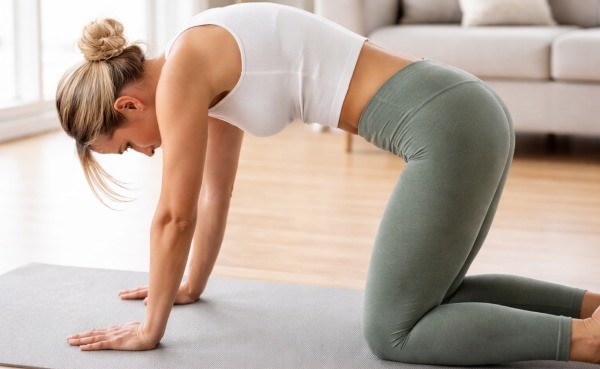
Duration: 10–15 slow repetitions
Frequency: Daily
Child’s Pose
The Child’s Pose is a restorative stretch that targets the lower back and helps release tension.
How to do it:
Sit back on your heels, stretch your arms forward, and lower your chest toward the ground.
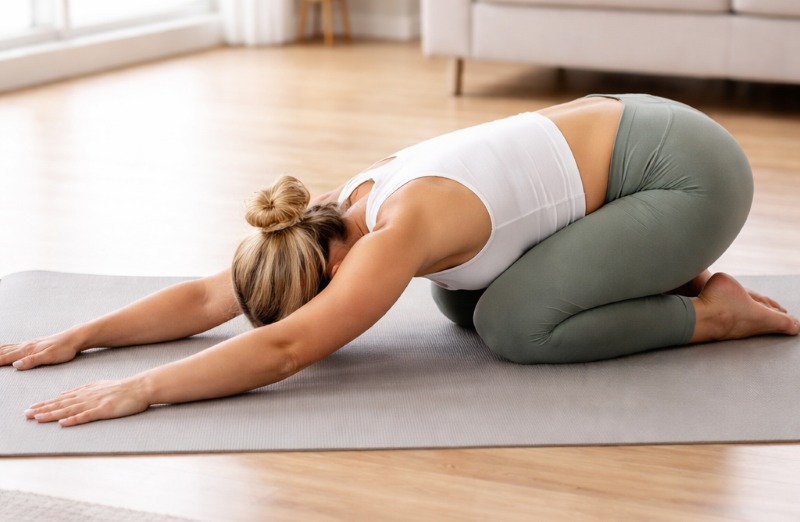
Duration: Hold for 20–30 seconds
Frequency: Daily or after workouts
Knee-to-Chest Stretch
This stretch focuses on relieving lower back tightness and improving mobility.
How to do it:
Lie on your back and gently pull one knee toward your chest. Hold, then switch sides. You can also pull both knees in together.
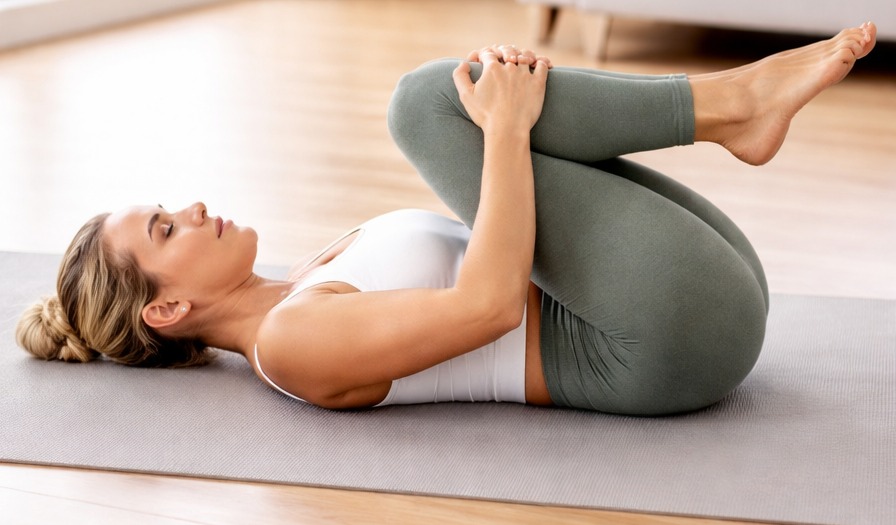
Duration: Hold each side for 15–30 seconds
Frequency: Daily
Pelvic Tilt
The Pelvic tilt strengthens the core and supports the lower back.
How to do it:
Lie on your back with knees bent. Tighten your abdominal muscles to press your lower back into the floor, then release.
Duration: Hold for 5–10 seconds, repeat 10–15 times
Frequency: 3–4 times per week
Seated Forward Bend
This stretch helps relieve tension along the spine and hamstrings.
How to do it:
Sit with your legs extended. Slowly reach toward your toes while keeping your back as straight as possible.
Duration: Hold for 20–30 seconds
Frequency: 3–4 times per week
Spinal Twist Stretch
The Spinal twist stretch improves mobility and reduces stiffness in the back.
How to do it:
While lying on your back or sitting, gently rotate your torso to one side while keeping your shoulders relaxed.
Duration: Hold for 15–30 seconds per side
Frequency: Daily
Cobra Stretch
The Cobra stretch is particularly useful for relieving pressure in the lower back.
How to do it:
Lie on your stomach, place your hands under your shoulders, and press your chest upward while keeping your hips on the floor.
Duration: Hold for 15–30 seconds
Frequency: Daily or 3–4 times per week
Safety Notes
Stretching should feel relieving, not painful. Move slowly and avoid forcing your body into positions it is not ready for. If you feel sharp pain, increased discomfort, or symptoms like numbness or tingling, stop immediately. Persistent or worsening pain should be evaluated by a healthcare professional.
Final Thought
Consistency matters more than intensity. A few minutes of stretching each day can gradually reduce back pain, improve posture, and keep your spine healthy over the long term.
Back pain is a common issue, especially in modern lifestyles that involve long hours of sitting or physically demanding work. Among the many solutions available, back pain belts are widely used as a quick and practical form of support. While they can be helpful, it’s important to understand what they do—and what they don’t.
Back pain belt
A back pain belt is a supportive device worn around the lower back to reduce strain and provide stability. It’s commonly used by office workers who sit for long periods, athletes during training, and individuals dealing with chronic back discomfort.
What Is a Back Pain Belt?
A back pain belt, often referred to as a lumbar support belt or brace, is designed to support the lower spine and surrounding muscles. It wraps around the waist and can be adjusted for tightness depending on the level of support needed.
Types of Back Pain Belts
Different belts serve different purposes:
- Lumbar support belts – Focus on stabilizing the lower back
- Posture corrector belts – Help align the shoulders and spine
- Heavy-duty support braces – Provide firm support for injury recovery or heavy lifting
How It Works
Back pain belts function through a few key mechanisms:
- They apply compression to the lower back, which can reduce inflammation and discomfort
- They stabilize the spine, limiting excessive movement that may cause pain
- They encourage better posture, especially during sitting or lifting
Benefits
When used correctly, a back pain belt can offer:
- Noticeable pain relief
- Improved posture
- Extra support during activities like lifting or prolonged sitting
Conditions It May Help With
Back belts are often used to manage conditions such as:
- General lower back pain
- Sciatica
- Herniated disc
How to Use a Back Pain Belt Correctly.
Proper use is essential for effectiveness:
- Positioning: Place the belt around your lower back, just above the hips
- When to wear it: During work, physical activity, or recovery periods
- Tightness: It should feel snug and supportive, but not restrict breathing or cause discomfort
When NOT to Use It
Back belts are not meant for constant, all-day use:
- Overdependence can reduce your body’s natural muscle strength
- They should not replace exercise, stretching, or medical treatment
Side Effects and Drawbacks
Like any support tool, there are potential downsides:
- Long-term use may lead to muscle weakening
- Some users experience discomfort or skin irritation
- Improper use can limit mobility unnecessarily
How to Choose the Right Belt
Selecting the right belt makes a difference:
- Size and fit: Ensure it matches your body measurements
- Material: Look for breathable, comfortable fabric
- Support level: Choose based on your activity and severity of pain
Tips for Effectiveness
To get the most out of a back pain belt:
- Combine its use with strengthening exercises like the Plank
- Maintain good posture habits throughout the day
- Use it only when needed, not continuously
Alternatives to Back Pain Belts
Other long-term solutions often provide better results:
- Regular exercise and stretching
- Physiotherapy for targeted treatment
- Ergonomic adjustments to your workspace or daily routine
When to See a Doctor
Medical advice is necessary if you notice:
- Persistent or worsening pain
- Numbness or weakness in your limbs
- Pain that interferes with daily activities
Conclusion
A back pain belt can be a useful support tool, especially during periods of strain or recovery. However, it is not a permanent solution. The most effective approach to managing back pain combines proper movement, strengthening exercises, and healthy daily habits.
Read more on How to Look Younger.